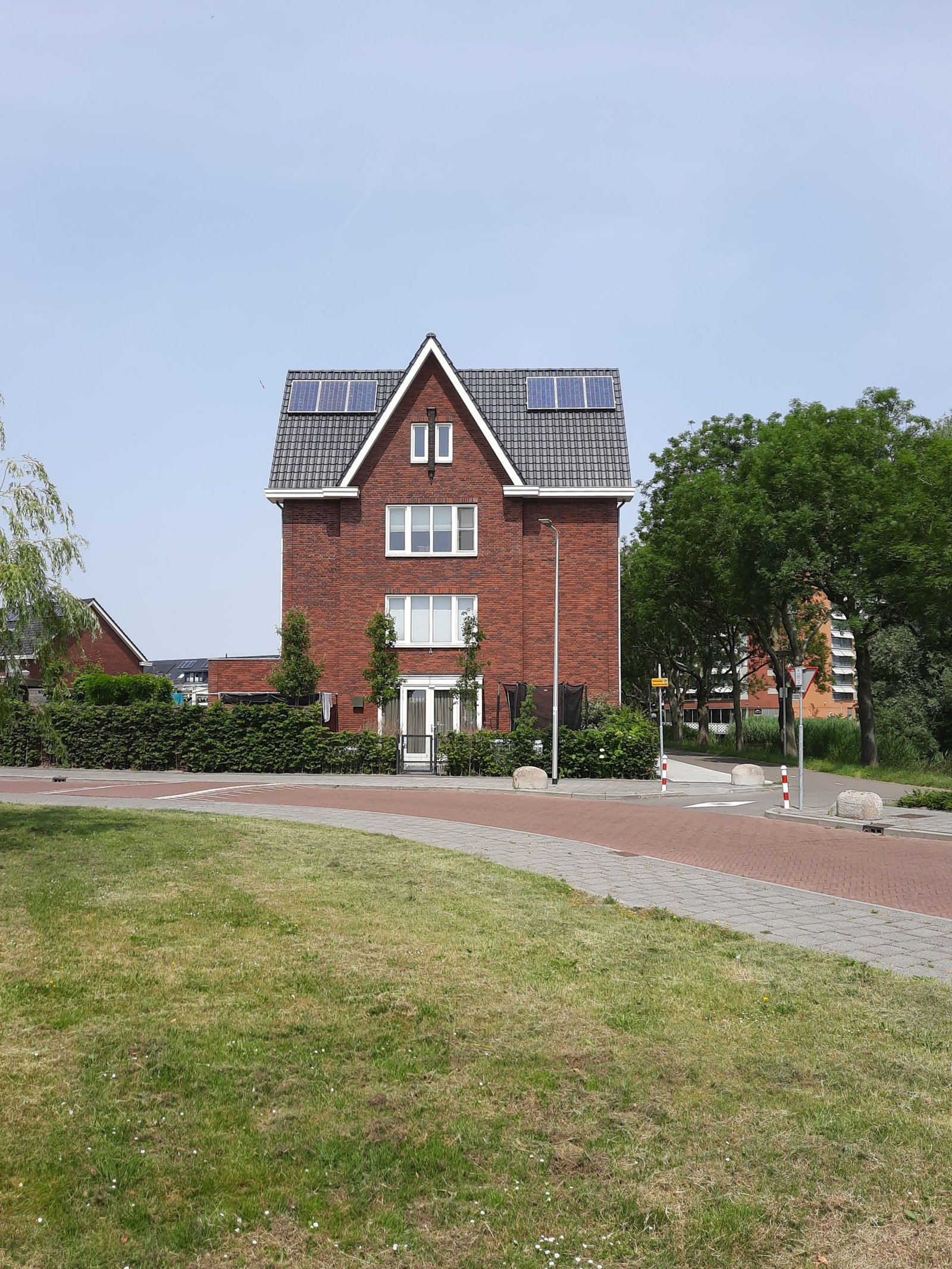
Solar Energy for Homes and Small Businesses: Benefits, Costs, and What to Check
Electricity bills keep climbing, and more homeowners and small business owners are asking the same question about solar energy for homes: would panels on my roof actually pay off? For a lot of properties the answer is yes — but only if the system is sized right and installed properly. This guide walks through the benefits, the costs, and the checks that matter before you sign anything.
How Panels Actually Work
Sunlight hits the cells in a panel and produces direct current (DC) electricity. An inverter converts it to alternating current (AC) — the kind your home or business uses. Electricity you don’t use straight away can go back to the grid, into a battery for later, or both, depending on your setup and local rules.
A common myth: panels only work in blazing sunshine. They work on cloudy days too, just at lower output, and production shifts with the seasons. A decent installer estimates your yearly output for solar energy for homes from your roof, your location, and local weather — not from a sunny-day fantasy.
Why People Bother With Solar Energy for Homes
- Lower bills. The main reason, plain and simple. Generate your own electricity and you buy less from the grid. Businesses open during daylight — offices, shops, workshops — often benefit most, because their usage lines up with when panels produce.
- Protection from price rises. Once the system is paid off, the electricity it makes costs you next to nothing. That’s a growing chunk of your bill shielded from whatever prices do next.
- Very little maintenance. No moving parts. An occasional clean and an inverter check is about it. Panels generally carry long performance warranties, so you’re not signing up for a second job maintaining them.
- Property appeal. A working system can make a property more attractive to buyers and tenants, and it tells customers something about your values.
- Lower emissions. Each unit of solar electricity replaces power that might otherwise come from fossil fuels. Over a system’s lifetime, that adds up to a real reduction, not just a gesture.
What Changes the Price
There’s no single price for solar energy for homes, because several things move the total:
- System size. Bigger costs more but produces more. The right size follows your electricity usage — not how much roof you happen to have.
- Your roof. A simple, unshaded roof facing the sun is cheapest to work with. Awkward shapes, shading from trees or nearby buildings, or a roof that needs repairs first will all add cost.
- Battery or not. A battery lets you use solar power at night, but it adds a significant chunk to the price. Plenty of households start without one and add it later — a perfectly sensible route.
- Inverter quality. The inverter is the heart of the system. A basic one suits a simple roof; advanced inverters or optimisers earn their keep when panels face different directions or suffer partial shading.
- Local incentives. Grants, tax credits, and export payments differ by country and region, and they change. A reputable installer explains exactly which ones apply to you, in writing, not in a sales pitch.
Get quotes from at least three installers and compare like with like: system size, equipment brands, warranties, and estimated yearly output.
Before You Sign: The Checklist
- A full year of bills. An honest installer sizes the system to your real usage, not to the biggest system they can sell you.
- Roof age and strength. If the roof needs replacing in a few years, do that first. Panels on a roof you’re about to replace means paying to take them off and put them back.
- Shading, measured properly. Trees, chimneys, neighbouring buildings — a proper survey measures shading across the day and the year, not just at noon on the survey day.
- Installer reputation. Reviews, local references, proper certification for your region. Walk away from pressure tactics or promises that sound too good — they usually are.
- Warranties in writing. Panel performance, product, and workmanship warranties — and who honours each one if the installer goes out of business.
- A payback estimate you can read. Yearly savings and expected payback time based on your actual bills and realistic production, not best-case numbers.
- Grid paperwork. Your installer should handle the connection application and any export payments you’re entitled to.
Mistakes That Cost People Money
The classic one is taking the cheapest quote without checking what’s inside. Cut-price panels, a weak inverter, or a short workmanship warranty can cost far more over twenty years than the saving on day one.
Oversizing is the second trap: a system far bigger than your usage wastes money, since exported electricity is usually paid at a much lower rate than what you buy. Right-sized beats biggest.
And read the contract: what happens if production falls short, who maintains the system, what the warranty actually covers. An installer who dodges those questions has answered them.
The Bottom Line
Solar energy for homes is a long-term decision, not an impulse buy. For the right property, with the right installer and a realistically sized system, it cuts bills for decades. Take your time, compare several quotes, check the roof and the warranties, and base the decision on your own usage figures. Done carefully, it’s one of the most practical upgrades a home or small business can make. If you run a home-service business, see our guide to local SEO link building for home service businesses.
For a general overview, see the U.S. Department of Energy’s Homeowner’s Guide to Solar.