How Technology and AI Are Changing Online Business in 2026
Every few years a new technology shows up trailing big promises and louder hype. Artificial intelligence is the latest one, and this time the usefulness is real. But if you run a small online business, the question that matters isn’t what AI might do in ten years. It’s what it can do for you this week, without a big budget or a technical team. That is AI changing online business in practice.
Short answer: quite a lot — as long as you use it for the right jobs and keep a human checking the result.
What Has Actually Changed With AI Changing Online Business
The biggest change is speed. Drafting a product description, summarising a long article, or writing the first version of an email used to eat an afternoon. Now an AI assistant produces a rough draft in minutes. The work hasn’t vanished, though. It’s moved. Instead of writing the first draft, you now spend your time checking, correcting, and improving it. Anyone who skips that second step finds out quickly — readers can spot unedited AI text a mile away.
Search has changed too. Results pages increasingly show an AI-written summary before the regular links, so fewer people click through at all. Pages that answer the question directly, right up front, stand a much better chance of being quoted — and clicked.
And customers expect more, faster. Instant replies, personalised recommendations, a checkout that works on a phone without fuss. A small business that answers common questions quickly — even with a simple chatbot or a set of saved replies — stands out, mostly because so many competitors still take two days to reply to an email.
Where Small Businesses Are Actually Using AI
Forget the futuristic demos. Here’s what’s genuinely useful right now, with tools most people can already access:
Content support. AI can suggest blog topics, outline an article, or turn one long guide into a week’s worth of social posts. The trick is treating the output as a rough draft. Add your own experience, fix the errors, and the result is yours in a way raw AI text never is.
Customer service. A basic chatbot or a few well-written saved replies can handle “what are your hours?” and “how much is delivery?” at midnight while you’re asleep. Anything complicated still needs a person — and customers should always be able to reach one.
Design and video. Background removal, resizing images for each platform, captions on videos, short clips cut from a script — jobs that used to need a designer now take minutes. For a one-person business, that’s a real saving.
Making sense of your numbers. Analytics tools now explain trends in plain language: which pages bring traffic, which products sell, where visitors give up. You don’t need to be a data person anymore to act on your own data.
What AI Can’t Do for You
It can’t build your reputation. It can’t earn a customer’s trust or understand your local market the way you do. And it sometimes states wrong information with total confidence, so anything factual — prices, technical claims, advice people act on — has to be checked before it goes out.
It also can’t replace relationships. Clients hire people they trust, and readers come back to voices they recognise. Businesses publishing nothing but untouched AI output all end up sounding identical. Your experience, your stories, your opinions — that’s the part no tool can copy, and it’s your actual advantage.
Beyond AI: The Quieter Changes
AI hogs the headlines, but other shifts matter too. Online shopping keeps growing, and buyers expect fast checkout and clear delivery options. Remote work tools make hiring help from anywhere normal. Mobile payments are standard in many markets now. And connectivity tools like eSIMs let travelling professionals land in a new country already online, no SIM-card hunt at the airport.
None of this means rebuilding your business. They’re options to adopt one at a time, when they fix a real problem for your customers.
A Sensible Way to Start
- Pick one pain point. The task eating most of your time — answering the same questions, drafting posts, sorting images — and try one tool for exactly that.
- Keep a human in the loop. Read everything before a customer sees it. No exceptions.
- Measure it. If a tool hasn’t saved time or brought sales within a month, drop it without guilt.
- Guard your data. Don’t paste customer details or anything confidential into public AI tools.
- Sound like yourself. Use AI to work faster, not to replace your voice.
The Sensible Takeaway
Technology in 2026 rewards businesses that are practical, not fashionable. Use AI to move faster, answer sooner, and produce better content with less effort — but keep the standards human. Check the facts, keep your own voice, and build trust the slow way. The businesses winning right now aren’t the ones using the most tools. They’re the ones using a few tools well, on top of a service that’s actually good. That is the practical side of AI changing online business.
Search is part of the story too: as AI changing online business reshapes how customers find you, see our guide to AI Overviews and SEO for how link building fits in.
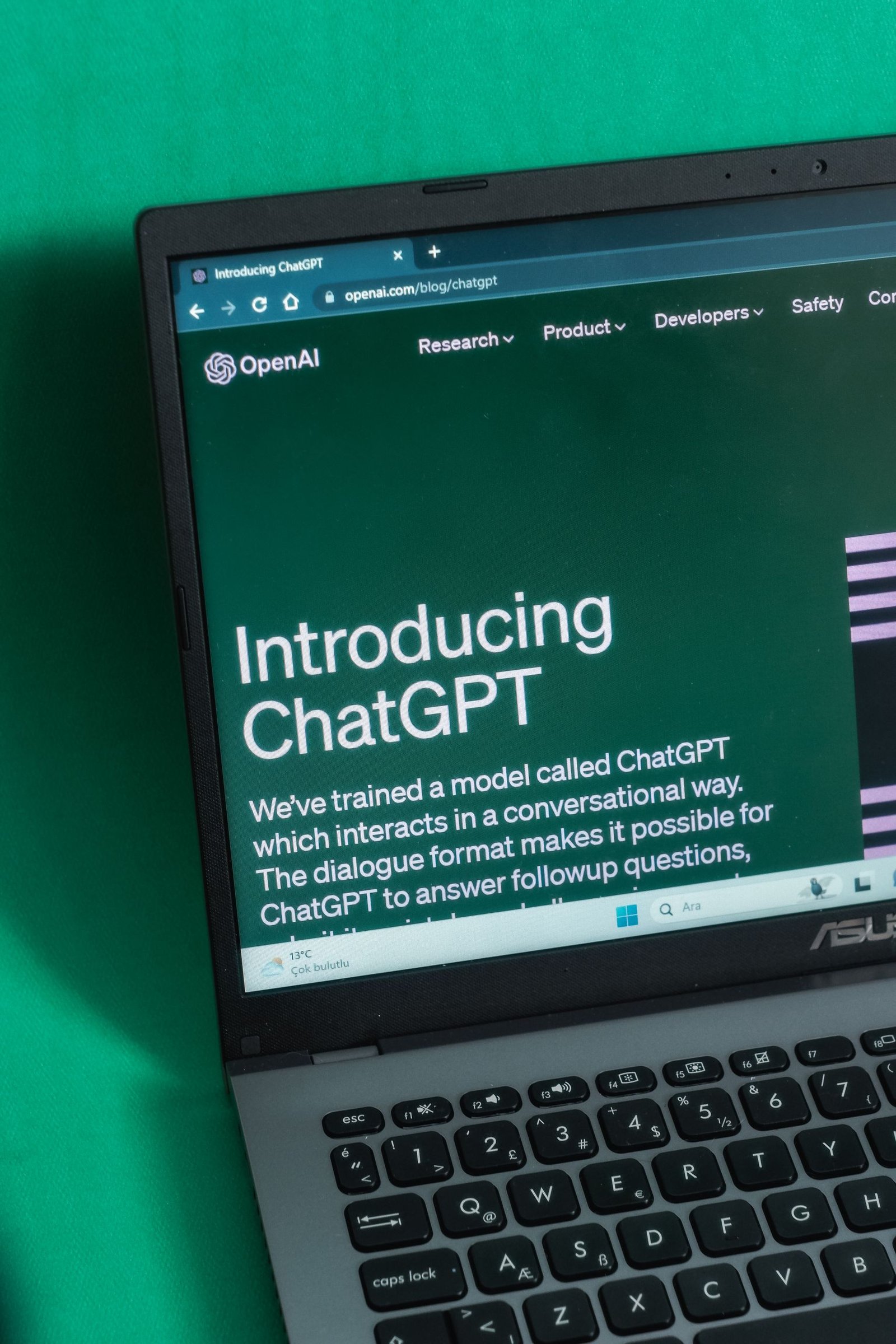
For a look at the tools behind much of this change, visit OpenAI.
The bottom line is simple: AI changing online business rewards the practical, not the fashionable.






2 Comments